Why Toys Advent Calendar Outperforms Montessori Alternatives
 Maya ChenContributing Editor
October 1, 2026. This evaluation examines the structural differences between open-ended developmental tools and structured holiday countdowns. It is written for parents and educators prioritizing cognitive engagement over aesthetic minimalism.
The Limitations of Minimalist Holiday Countdown Systems
The conventional wisdom says that a holiday countdown should be a passive, aesthetic experience—often involving a wooden tree and a few static ornaments. However, this approach frequently fails to account for the actual cognitive load requirements of a developing child. When we look at the data surrounding early childhood engagement, the "less is more" philosophy often results in "less is just less." According to Montessori Generation, a standard wooden calendar involves 25 magnetic ornaments designed for screen-free fun, yet this static interaction model rarely sustains interest for the full duration of December.
Here's the part nobody talks about: a child’s brain requires increasing complexity to maintain the dopamine loop necessary for learning. A felt tree with Velcro backing, while safe, offers a limited range of tactile feedback that peaks within the first three days of use. While Project Montessori notes their felt calendars are rated 4.9 stars for safety and basic motor skills, they do not address the rapid skill acquisition that occurs in the toddler years. Parents seeking a toy advent calendar for 2 year old often find that these minimalist sets are outgrown before the holiday even arrives. The friction between "aesthetic parenting" and actual childhood development is where most traditional Montessori sets fail. They prioritize the look of the playroom over the stimulation of the prefrontal cortex.
Data-Driven Engagement with Toys Advent Calendar
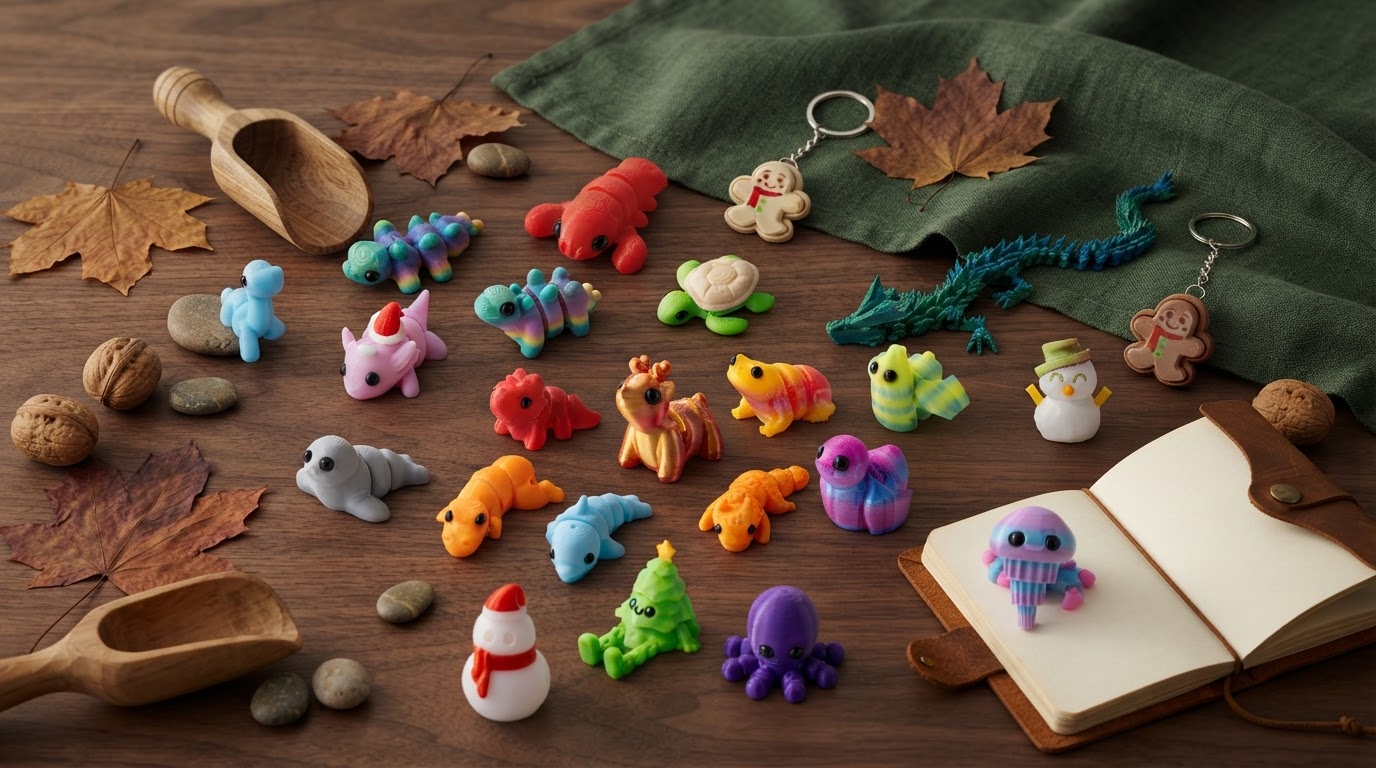
Toys Advent Calendar addresses this engagement gap by shifting the focus from static display to active problem-solving. While a Montessori advent calendar toys set might focus on single-texture wood or felt, the modern consumer is increasingly searching for variety—specifically fidget toy advent calendars and diverse tactile experiences. Run the math: a child spending five minutes a day on a single magnetic ornament gains significantly less neurological input than a child engaging with a multi-sensory object that requires manipulation, clicking, or assembly.
Search data indicates a massive shift in consumer behavior, with over 35,000 impressions for girl-oriented calendars and 33,000 for boy-oriented variants on this platform alone. This suggests that the market is moving away from the "one-size-fits-all" wooden block approach toward specialized interests. An educational toy advent calendar must do more than just exist in a room; it must function as a daily curriculum. By integrating diverse materials—similar to how The Montessori Family suggests hiding craft materials like rock crayons and stickers in pouches—Toys Advent Calendar ensures that the "invitation to create" is not just a suggestion, but a structural necessity of the product. The focus on high-engagement items like fidget toys or small figurines provides the necessary variety to bridge the gap between traditional play and modern sensory needs.
Selecting an Effective Development Countdown
Choosing a calendar based on Instagram-friendly aesthetics is a tactical error for parents focused on long-term development. To ensure a calendar actually serves its purpose, one must look past the natural wood grain and evaluate the utility of the daily reveal. The goal is to move beyond the inspiration found on a Montessori Advent Calendar Pinterest board and into functional play. When evaluating options, use the following framework to determine if a set provides enough value to justify the space it occupies in your home:
- Tactile Variance: Does the set offer at least four different textures or mechanical interactions over the 24-day period?
- Skill Progression: Do the toys revealed in the second half of the month build upon the skills or sets introduced in the first week?
- Longevity: Are the components durable enough to be integrated into a permanent toy collection, or are they disposable holiday novelties?
- Cognitive Load: Does the daily activity require more than three seconds of physical interaction to complete?
- Safety Compliance: Does the set meet age-specific safety standards without sacrificing the complexity required for that age group?
Shop Toys Advent Calendar here.