Choosing Toys Advent Calendar for Sugar Free Holidays
 Sam VasquezBuying Guide Lead
October 6, 2026. This guide explores the transition from traditional sugar-filled countdowns to toy-based alternatives. It is written for parents and caregivers seeking durable, play-focused holiday traditions for children.
The Shift Toward Sugar-Free Holiday Countdowns
The traditional morning routine of a small chocolate square has increasingly lost its appeal for families prioritizing long-term play over a fleeting sugar rush. When I look at the current market, the demand for non-candy advent calendars for kids stems from two main concerns: nutritional oversight and the desire for toys that actually last beyond the twenty-four hours they are revealed. Reddit discussions frequently highlight the frustration parents feel with "filler" items in traditional sets, often seeking a fidget toy advent calendar to keep hands busy during the high-energy lead-up to the holidays. According to search trends identified by Google, the interest in toy advent calendars for girls and toy advent calendars for boys has reached a combined 68,000 monthly impressions, signaling a massive pivot toward tangible playthings. The problem with many generic non-candy options is the quality of the plastic; many cheap alternatives end up in the bin by New Year's Day. If you are looking for something that integrates into existing toy collections, like building blocks or figurines, the selection process requires more scrutiny than simply grabbing the first box off the shelf. I have found that the most successful non-candy transitions occur when the calendar items serve a secondary purpose, such as a sensory toy advent calendar that provides calming tactile input during a typically overstimulating season. Between a single-use chocolate box and a curated toy set, the latter offers weeks of creative engagement that justifies the higher initial price point.
Maximizing Play Value with Toys Advent Calendar
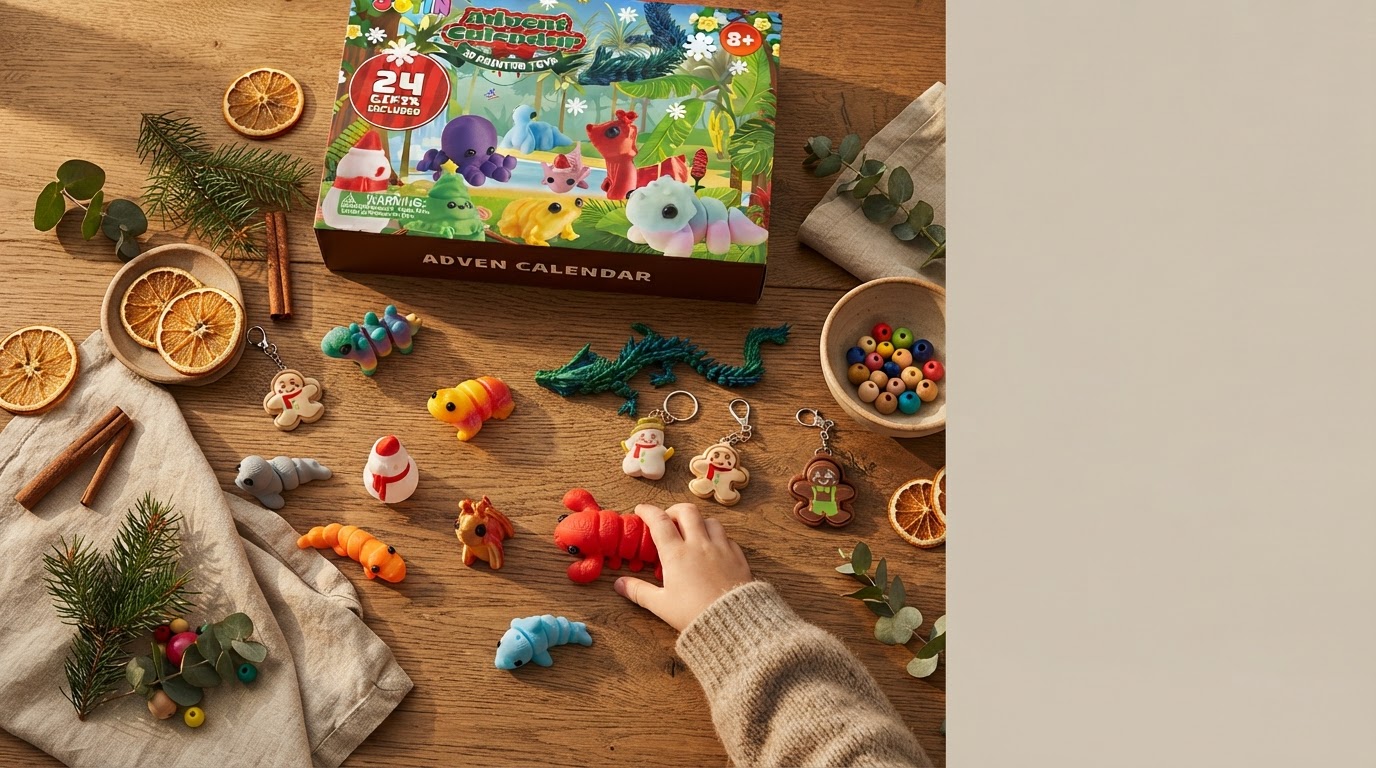
Toys Advent Calendar addresses the "junk toy" problem by focusing on specific categories that kids already enjoy, such as building sets, miniature vehicles, and tactile puzzles. When evaluating these options, I look for how well the individual pieces work together as a cohesive set. For instance, a stocking stuffer advent calendar set works well because the items are designed to be portable and durable enough for travel. If you're on a budget, a generic toy mix might seem tempting, but I have noticed that children disengage quickly if the items don't "do" anything together. The Toys Advent Calendar approach ensures that by December 24, the child has a complete playset rather than 24 unrelated trinkets. In my experience, the Lego advent calendar alternatives discussed in community forums often fail because the brick quality is inconsistent; however, choosing a dedicated Toys Advent Calendar focused on specific interests like vehicles or animals ensures the pieces actually fit together. Here’s what I’d actually buy: if your child is prone to overstimulation, the sensory toy advent calendar is the superior choice because it doubles as a tool for focus. Skip this if your child is under three years old, as the small parts in most toy calendars present a significant choking hazard. For the average elementary-aged child, a fidget toy advent calendar provides the highest "hit rate" for engagement, as these items are currently trending and offer immediate utility in a school or home setting. The goal is to provide a daily win that doesn't result in a sugar crash before the school bus arrives.
A Decision Framework for Non-Candy Calendars
Selecting the right non-candy advent calendar for kids involves more than just picking a theme. You need to consider the longevity of the items and how they fit into your household's existing toy ecosystem. I recommend looking for sets that culminate in a larger scene or activity. For example, some sets include a fold-out play mat on the box itself, which provides an immediate environment for the new toys. When comparing a stocking stuffer advent calendar set against a themed character calendar, I usually lean toward the variety set because it keeps the surprise element higher each morning. If you are debating between a building block set and a figurine set, I'd go with the building blocks for kids who enjoy construction, but figurines for those who prefer imaginative roleplay. Use this checklist to finalize your choice:
- Verify the age rating specifically for small parts and choking hazards.
- Check if the box includes a play mat or storage solution for the 24 items.
- Ensure the toys are compatible with brands already owned (like standard building bricks).
- Prioritize tactile or "fidget" elements for children who need sensory regulation.
- Assess the "play-life" of the items—will they be played with in January?
Shop Toys Advent Calendar here